A curriculum buy, sell, and swap group for those using a Catholic Charlotte Mason/Living Books/Classical method of home education.
A list for LDS homeschoolers seeking a classical education.
This email group is for homeschooling families who are using the classical approach to education as outlined in the book "Designing Your Own Classical Curriculum" by Laura Berquist or her independent study program "Mother of Divine Grace".
DYOCC stands for 'Designing Your Own Classical Curriculum' - the book on homeschooling written by Laura Berquist. This group is designed for Australian and/or New Zealand families who are following the suggestions as laid out in the book, 'Designing Your Own Classical Curriculum'.
The Classical Charlotte Mason Swap list is for home schooling families to exchange living books and curricula that are used with the classical (Trivium) method or the Charlotte Mason method. This list does not support one particular way of implementing classical education, but rather is open to methods and materials as recommended in the many books and websites on the subject. Curricula, books, manipulatives, videos, and audios may be posted.
This is book 2 in the First Language Lessons series. It offers scripted lessons to teach copywork, narration, picture study, and other classical techniques to help develop the student's language ability.
Classical education has at least two distinctive features. First, it operates out of an ancient pedagogy, one that shaped the western world. The trivium is how our ancestors learned, memorizing first, synthesizing second, and then putting it all together in beauty. But the classical model is not only classical in its method, it is classical in its content. That which we study through the trivium are the great works of the western world. That frightens some people because many of these great works are difficult to read. They are big books. Explore why these types of books are so important.
Classical Lite is a group for families that like many parts of Classical or Charlotte Mason methodologies, but choose to have a less restrictive learning environment for their children. This list is for families who see the merits in both, Classical education AND Relaxed-Unschooling methodologies— families who wish to incorporate more of the later methods in their home or have children that learn best with Classical educational methods and the other family members are relaxed-unschoolers. Those who utilize child-led Unit Studies are also encouraged to join.
This is an on-topic list dedicated to the discussion of "living math" - mathematics education using living books and materials, as opposed to traditional curricula as the primary learning tool. Discussion applies to mathematics learning from birth to adult self education, with the understanding that arithmetic is only one feature of mathematics as a whole. Math history topics will apply as well. Educators using Charlotte Mason, Thomas Jefferson Ed (relaxed classical), Montessori, Waldorf and unschooling methods may benefit from the exchange of ideas.
This is a loop for Christians who are combining classical education methods with Charlotte Mason ideas in their homeschools.
Many parents have objections to using fiction in their homeschooling: it isn't a good use of time, it offers opposing worldviews, it isn't useful. But it can stimulate the imagination and allows a child to put himself in another's place. Douglas Jones discusses why fiction is good for children.
The development of the trivium model of classical learning is, perhaps, an example of how unbelievers borrow truth from God's world and yet fail to give God the credit. Believers should adopt or reject the trivium model of learning not for pragmatic reasons but because it is either true or false. the primary concern should be: is it biblical? All truth claims must pass the biblical standard. Robert Booth discusses why the trivium model of learning passes the biblical test.
 Designing Your Own Classical Curriculum: Guide to Catholic Home Education
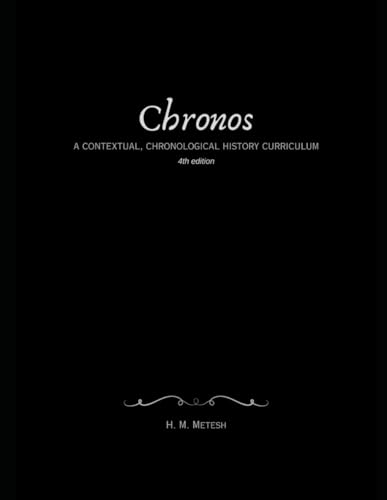
 Chronos: a contextual and chronological homeschool curriculum guide
 The Well-Trained Mind: A Guide to Classical Education at Home
 Full-Year 7th Grade Classical Social Studies/History Curriculum for Homeschooler...
 The Harp and Laurel Wreath: Poetry and Dictation for the Classical Curriculum
 Story of the World, Text Bundle, Paperback Revised Edition: History for the Clas...
 Story of the World, Vol. 2: History for the Classical Child: The Middle Ages


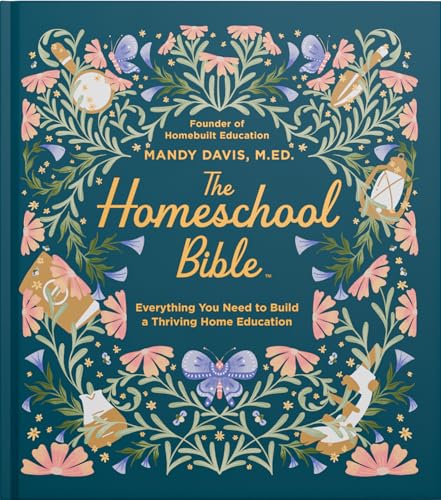
 The Homeschool Bible: A Practical Guide to Homeschool Curriculum, Lesson Plannin...
 The Well-Trained Mind: A Guide to Classical Education at Home
 Home Education (The Home Education Series)