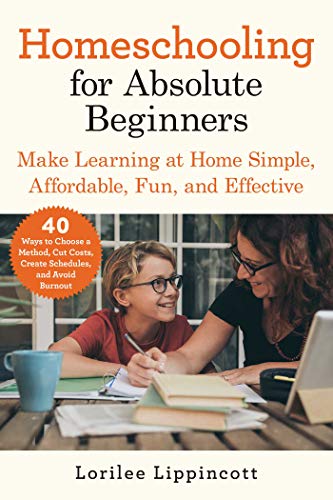
Homeschoolers cover an entire spectrum of different educational methods. On the one end, you have unschoolers, families that believe in self- or child-led learning. Relying on real world experiences, they learn by living. On the other end of the spectrum, you find parents who have “school at home.” They may set up a classroom environment, use structured curriculums, and rely on schedules to keep things moving smoothly. And of course, there is everything in between. There are as many different ways to homeschool as there are homeschoolers. Explore the different methods, ideas, and approaches that make the homeschooling experience so rich.
 A Charlotte Mason Education: A Home Schooling How-To Manual
 Carson Dellosa Grades 1-3 Beginning Traditional Cursive Handwriting Workbook, Wr...
 Flexible Homeschool Planning: A Simple Method for a Simpler Homeschool
 The Homeschool Bible: A Practical Guide to Homeschool Curriculum, Lesson Plannin...
 The A+ Homeschool Planner: Plan, Record, and Celebrate Each Child's Progres...
 The Best 50 States Geography Homeschool Method:: On My Way Across the United Sta...


 Homeschooling Methods: Seasoned Advice on Learning Styles
 The Everything Guide To Homeschooling: All You Need to Create the Best Curriculu...
 Homeschooling Gifted Kids: A Practical Guide to Educate and Motivate Advanced Le...
 A Plan for Joy in the Home: A Workbook on Organizing Your Day for Homeschooling ...